


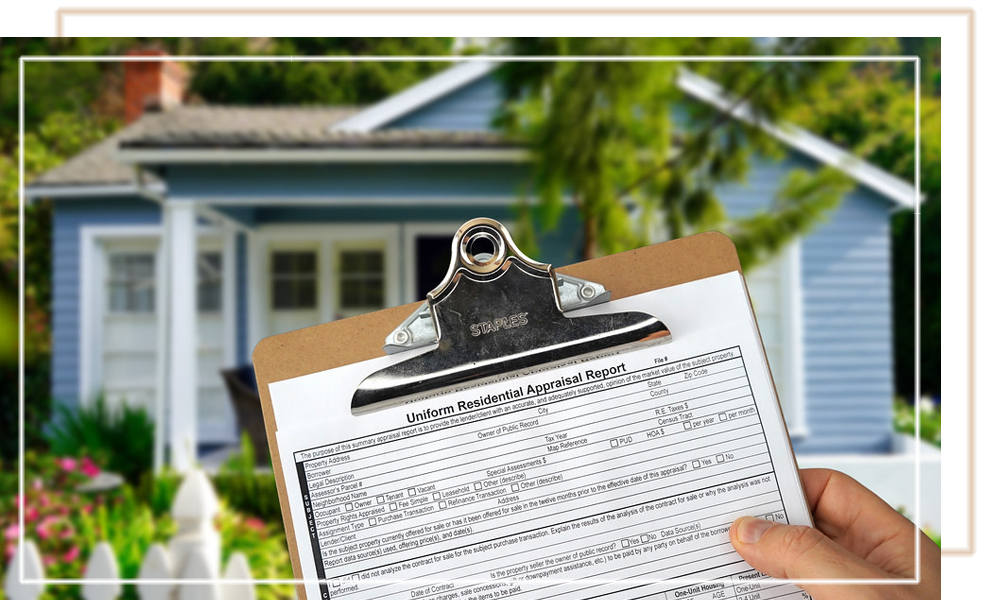
When it comes to real estate investing, speed and certainty matter. Hard money loans are popular because they offer fast approvals, flexible terms, and the ability to fund deals that traditional lenders might decline. But even though these loans are asset-based and primarily focused on the property, one factor still plays a major role in determining your loan amount, terms, and overall deal structure:
The Home Appraisal.
Understanding how appraisals work—and how they influence your hard money loan—can help you negotiate better terms and position every deal for success.
What Is a Home Appraisal in Hard Money Lending?
A home appraisal is a professional, third-party evaluation of a property’s value. In the hard money world, lenders typically rely on appraisals to understand:
The property’s current As-Is value
The After-Repair Value (ARV) for fix & flip or rehab projects
Market trends and comparable sales
Property condition and estimated improvements needed
While some lenders use internal teams or Broker Price Opinions (BPOs), many still require a full appraisal for accuracy and underwriting confidence.
Why Appraisals Matter for Hard Money Loans
1. Your Loan Amount Depends on It
Hard money lenders base funding on Loan-to-Value (LTV) or Loan-to-Cost (LTC).
A stronger appraisal = higher potential loan amount.
-
As-Is Value determines how much the lender can offer today.
-
ARV determines how much leverage you may receive for renovations.
If the appraisal comes in low, the borrower may need to bring more cash to close or renegotiate the deal.
2. Your Leverage and Terms Are Impacted
A higher appraised value can improve your:
-
Down payment requirement
-
Rehab budget allowance
-
Interest rate
-
Exit strategy flexibility
Lower valuations typically result in tighter terms to protect the lender’s risk position.

3. Appraisals Confirm the Project’s Profitability
For fix-and-flip investors, the ARV is everything.
Lenders want to know:
-
Will the property’s future value support the total investment?
-
Is there enough margin for the borrower to profit?
-
Does the project and scope of work justify the loan risk?
If the appraisal supports a strong ARV and healthy spread, lenders are more confident moving forward.
4. Appraisals Uncover Risks
A detailed appraisal can identify:
Structural issues
Foundation or roof concerns
Neighborhood or market declines
Over-estimated rehab plans
Code violations or obsolescence
These findings may affect loan conditions or require repair escrows.
Who Performs the Home Appraisals?
According to the Appraisal Institute, an association of professional real estate appraisers, a qualified appraiser should be licensed or certified, according to laws and requirements unique to each state, and is familiar with the local area. The appraiser must be unbiased and have no direct or indirect financial interest in the transaction, according to federal regulations.
Types of Appraisals Used in Hard Money Lending
✓ As-Is Appraisal
Determines the current value of the property without improvements.
✓ ARV (After-Repair Value) Appraisal
Used for fix & flips and heavy rehabs—appraisers analyze the scope of work and compare it to newly renovated comps.
✓ Drive-by or Exterior-Only Appraisals
Faster and lower-cost, sometimes used for bridge or rental loans.
✓ Desktop Appraisals / BPOs
Used for quick valuations, though not always accepted for full underwriting.
What Borrowers Can Do to Improve Appraisal Outcomes
While you can’t control the final value, you can impact the accuracy and clarity of the appraisal by:
-
Providing your scope of work and planned improvements
-
Sharing recent comps you believe support value
-
Ensuring the property is accessible and safe
-
Highlighting upgrades already completed
-
Being realistic with your ARV expectations
Transparency speeds up the process and helps appraisers support your valuation.
How Lenders Use Appraisals in the Final Approval
Once the appraisal is completed, hard money lenders evaluate:
-
Current value vs. loan request
-
ARV vs. total project cost
-
Equity cushion
-
Borrower experience
-
Exit strategy (sale, refinance, DSCR take-out, etc.)
If everything aligns, the lender issues final terms and gets you to closing quickly.

Final Thoughts
Appraisals play a critical role in the hard money lending process. They protect both the lender and the investor by ensuring the deal is sound, the numbers make sense, and the exit strategy is achievable. By understanding how appraisals impact funding, borrowers can better prepare, negotiate stronger terms, and ultimately become more successful real estate investors.
JCREIG Capital Funding
YOU run the deal — we just fund it.
JCREIG Capital Funding is a private hard money lender that can help you fund your loan.
We have over a decade of experience, and have funded hundreds of millions of dollars in private money loans for commercial and residential real estate projects across 40+ States.
Protect your profits and choose partners who don’t play with your closing date.
Reach out to us @ 561-303-0334 if you require funding or have any questions.