


Commercial real estate has long been one of the most powerful ways to build long-term wealth. From office buildings and retail centers to industrial warehouses and large multifamily properties, commercial investments can offer strong income potential, long-term tenant stability, and significant asset appreciation.
However, acquiring or refinancing commercial property requires specialized financing solutions designed specifically for investment properties.
At JCREIG Capital Funding, our Commercial Loan Program is built to help investors secure the capital they need to acquire, refinance, or reposition commercial real estate assets.
If you’d like to review the complete details of our commercial loan program, you can visit the full guide here:
👉 https://jcreigcapitalfunding.com/commercial-loans/
Let’s explore how commercial real estate loans work and why they are essential for investors looking to scale their portfolios.
Why Investors Choose Commercial Real Estate
Commercial properties offer several advantages that make them attractive to experienced investors.
Higher Income Potential
Commercial properties often generate higher rental income compared to smaller residential properties. Businesses typically lease larger spaces and may sign long-term agreements.
Longer leases can provide investors with more predictable income streams.
Longer Lease Terms
Commercial tenants frequently sign leases lasting three to ten years, which can reduce tenant turnover and vacancy risks.
This stability allows investors to forecast revenue more accurately.
What Is a Commercial Real Estate Loan?
A commercial real estate loan is financing used to purchase, refinance, or improve properties used for business or investment purposes.
These properties may include:
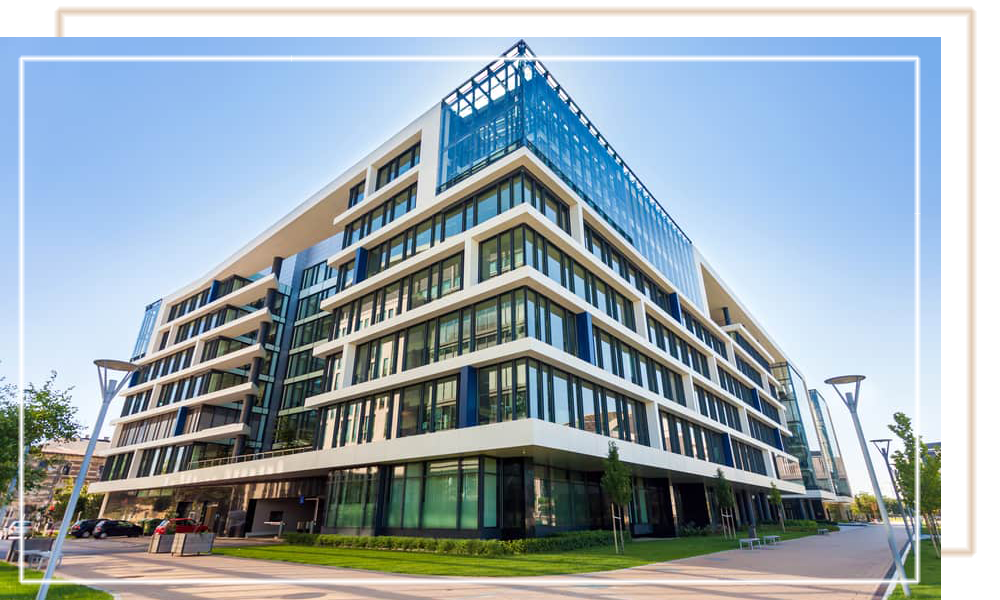
Office buildings
Retail shopping centers
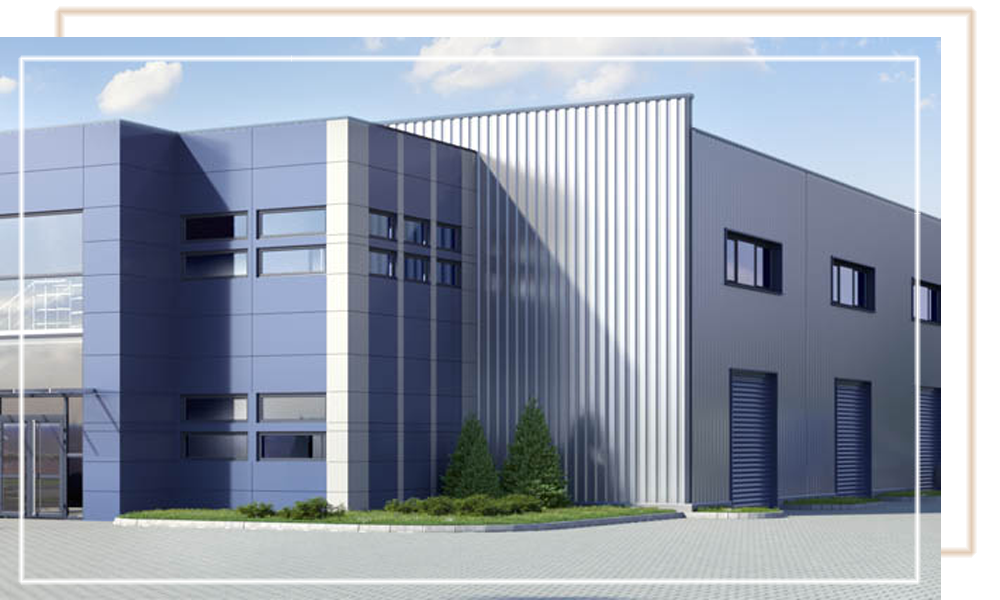
Industrial warehouses
Mixed-use developments
Large multifamily properties
Hospitality properties
Unlike residential mortgages, commercial loans are typically evaluated based on property income, asset performance, and the investment strategy behind the deal.
💡 Pro Tip for Commercial Real Estate Investors
Before applying for a commercial loan, focus on strengthening the property’s income profile.
Lenders often prioritize Net Operating Income (NOI) and the Debt Service Coverage Ratio (DSCR) when evaluating commercial deals. Increasing occupancy, securing longer leases, or stabilizing tenant income can significantly improve your chances of qualifying for better loan terms.
Even small improvements in property income can increase the property’s value and unlock more favorable financing options.
Income-Based Property Valuation
Unlike residential real estate, commercial property value is largely determined by net operating income (NOI).
This means investors can increase property value by:
Improving occupancy
Increasing rents
Upgrading property amenities
Reducing operational expenses
By improving property performance, investors can significantly increase the value of the asset.
Our Commercial Loan Program
At JCREIG Capital Funding, we provide financing solutions specifically tailored for commercial real estate investors.
Our commercial loan program is designed to support investors through every stage of the investment cycle.
Potential program features may include:
Financing for a wide range of commercial property types
Flexible loan structures designed for investors
Acquisition or refinance options
Competitive loan-to-value ratios
Terms designed for long-term investment strategies
These programs are designed to help investors secure capital quickly and position their properties for long-term profitability.
For full program details and loan terms, visit:
👉 https://jcreigcapitalfunding.com/commercial-loans/
When Investors Use Commercial Loans
Commercial financing is commonly used for several key investment strategies.
Acquiring New Commercial Properties
Investors often use commercial loans to purchase properties such as retail centers, office buildings, and mixed-use developments.
Refinancing Existing Assets
Many investors refinance commercial properties to:
Access equity through cash-out refinancing
Improve loan terms
Lower interest rates
Free up capital for new investments
Repositioning Value-Add Properties
Some investors acquire underperforming commercial assets and increase their value through renovations, tenant improvements, or new leasing strategies.
Commercial financing can support these repositioning efforts.
What Lenders Evaluate for Commercial Loans
Commercial loan approvals typically focus on several important factors.
Lenders commonly review:
Property income and rent rolls
Net operating income (NOI)
Occupancy rates
Property condition and location
Borrower experience
Having a lender that understands commercial real estate investment strategies can help make the financing process smoother.
Why Investors Work with JCREIG Capital Funding
At JCREIG Capital Funding, we understand the unique challenges real estate investors face when financing commercial properties.
Our team works closely with investors to structure financing solutions that support their investment goals and long-term portfolio growth.
Whether you’re purchasing your first commercial property or expanding a large real estate portfolio, we help provide the capital needed to move your deal forward.
Ready to Finance Your Next Commercial Property?
Commercial real estate can unlock powerful income potential—but the right financing partner can make all the difference.
If you’re planning to purchase, refinance, or reposition a commercial property, our Commercial Loan Program at JCREIG Capital Funding is designed to help investors succeed.
👉 Explore our Commercial Loan Program here:
https://jcreigcapitalfunding.com/commercial-loans/📞 Speak with our lending team today to discuss your project and get a customized financing solution.
Your next commercial investment opportunity could be closer than you think—and we’re here to help fund it.
FAQs
A commercial real estate loan is financing used to purchase, refinance, or improve properties used for business or investment purposes, such as office buildings, retail centers, industrial properties, or mixed-use developments.
Commercial loans are typically available to real estate investors, business owners, and developers who are purchasing or refinancing income-producing commercial properties.
Commercial loan programs may finance a variety of property types, including:
Office buildings
Retail shopping centers
Industrial warehouses
Mixed-use properties
Multifamily properties (5+ units)
Hospitality properties
Lenders usually evaluate several factors, including:
Property income and rent roll
Net operating income (NOI)
Debt Service Coverage Ratio (DSCR)
Occupancy rate
Property location and condition
Borrower experience
Loan-to-value ratios for commercial loans typically range between 65% and 80% of the property value, depending on the property type, borrower qualifications, and loan structure.
Yes. Investors often refinance commercial properties to:
Access equity through cash-out refinancing
Improve loan terms
Lower interest rates
Reinvest capital into additional properties
Commercial loans are usually based on the income generated by the property, while residential loans focus more on the borrower’s personal income and credit profile.
Commercial loan terms can vary but commonly range from 5 to 30 years, depending on the loan program, property type, and financing structure.
Commercial loans can be more complex because lenders evaluate property performance, tenant stability, and investment strategy, but specialized lenders offer programs designed specifically for investors.
Investors use commercial loans to acquire income-producing properties, expand their portfolios, improve existing assets, and generate long-term cash flow.