

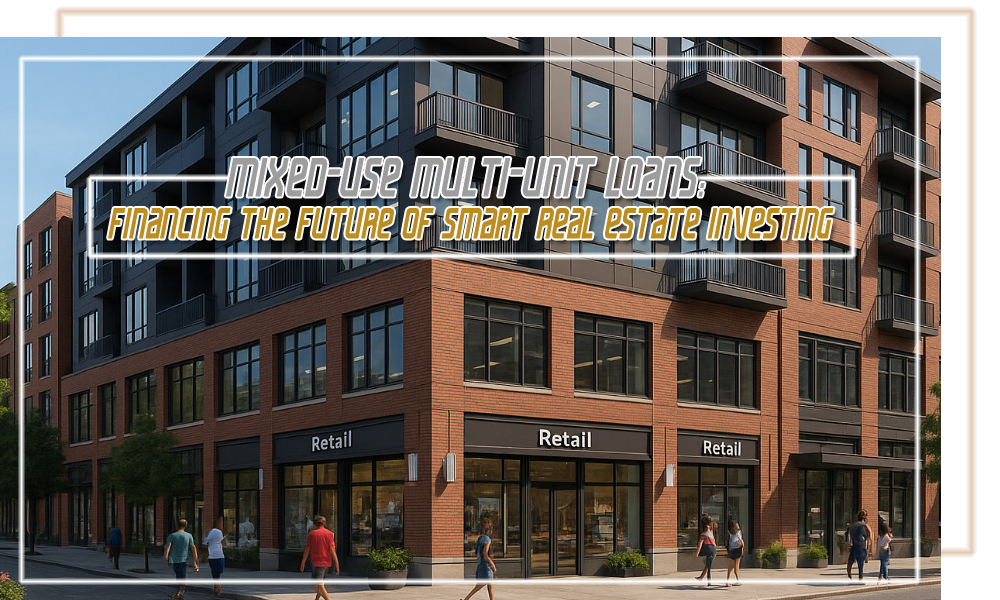
Real estate investors are constantly searching for properties that offer diversified income streams, strong tenant demand, and long-term appreciation potential. One asset class that checks all these boxes is mixed-use real estate.
Mixed-use properties combine residential and commercial spaces within the same building, creating opportunities for multiple revenue sources under one roof. However, financing these properties requires specialized loan programs designed specifically for this type of investment.
At JCREIG Capital Funding, our Mixed Use Multi-Unit Loan Program is built to help investors acquire, refinance, or reposition mixed-use properties with flexible terms designed for real estate investors.
If you want a full breakdown of the program, you can explore the complete details here:
👉 https://jcreigcapitalfunding.com/mixed-use-multi-unit-loans/
Let’s take a closer look at why mixed-use properties are gaining popularity and how the right financing can help investors capitalize on these opportunities.
What Is a Mixed-Use Multi-Unit Property?
A mixed-use property combines both residential and commercial spaces within a single building or development.
Common examples include:
Apartments located above retail storefronts
Residential units above office space
Mixed retail and residential complexes
Buildings combining restaurants, shops, and apartments
These properties are particularly common in urban areas and growing communities where walkability and convenience are highly valued.
For investors, mixed-use properties offer the advantage of multiple income streams from different tenant types.
Why Mixed-Use Properties Are Attractive to Investors
Mixed-use investments provide several strategic advantages compared to traditional single-use properties.
Diversified Rental Income
Because these properties include both residential and commercial tenants, investors benefit from multiple income sources.
For example:
Retail tenants may generate higher rents
Residential tenants provide consistent housing demand
This diversification can help reduce the financial impact of vacancies.
Strong Demand in Urban Markets
Many cities are encouraging mixed-use development because it promotes walkable communities and vibrant commercial activity.
As a result, these properties often experience strong demand from both:
Businesses seeking high-visibility locations
Residents who want convenient access to services
💡 Pro Tip for Mixed-Use Real Estate Investors
Before purchasing a mixed-use property, always evaluate the commercial-to-residential ratio.
Many lenders prefer properties where the majority of the square footage or income comes from the residential portion. If the commercial portion is too large, financing options may become more limited.
Smart investors review:
Percentage of commercial vs. residential space
Stability of commercial tenants
Lease length of retail or office tenants
Local zoning and property use regulations
A well-balanced mixed-use property with stable residential demand and strong commercial tenants can provide diversified income and stronger long-term returns.
Potential for Higher Property Value
Mixed-use properties are often valued based on overall income performance, meaning investors may be able to increase property value by:
Improving occupancy
Increasing rents
Upgrading commercial spaces
Adding amenities to residential units
This creates opportunities for value-add investment strategies.
Our Mixed Use Multi-Unit Loan Program
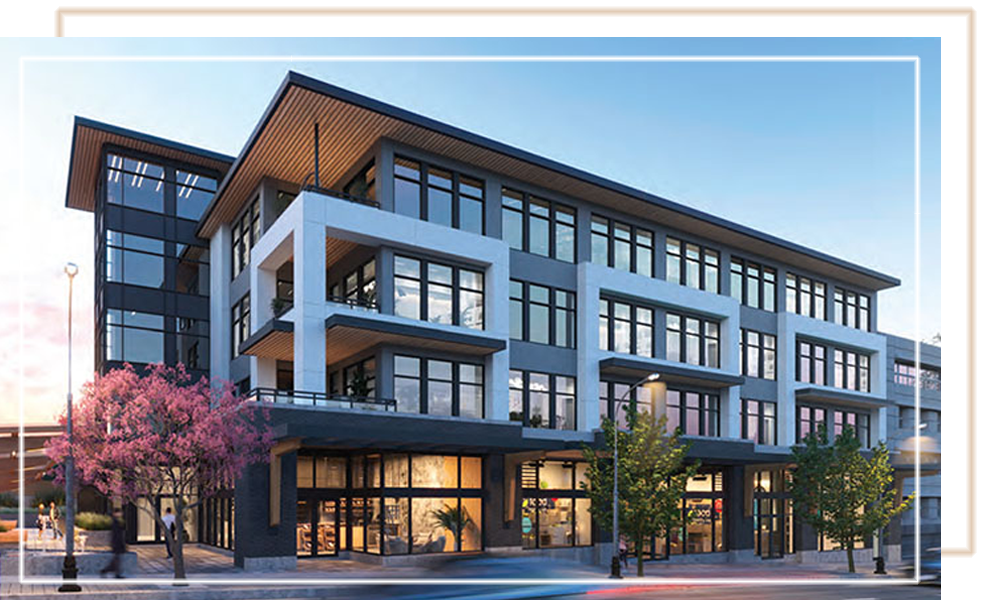
At JCREIG Capital Funding, we provide financing solutions specifically designed for mixed-use investment properties.
Our loan program helps investors fund properties that combine residential and commercial uses while maintaining competitive loan structures.
Key benefits may include:
Financing for mixed-use multi-unit properties
Flexible loan structures for investors
Options for acquisitions or refinancing
Competitive leverage based on property value
Loan terms designed to support long-term investment strategies
These loans are structured to support investors who want to expand into larger, more diversified real estate assets.
For full program details and eligibility requirements, visit:
👉 https://jcreigcapitalfunding.com/mixed-use-multi-unit-loans/
When Investors Use Mixed-Use Financing
Investors commonly use mixed-use loans for several strategic purposes.
Property Acquisition
Many investors use mixed-use financing to purchase properties with both residential and commercial tenants already in place.
Repositioning and Value-Add Projects
Some investors acquire underperforming mixed-use properties and improve them through:
Renovations
Tenant repositioning
Lease restructuring
Refinancing Stabilized Assets
Investors may also refinance existing mixed-use properties to:
Pull out equity
Improve loan terms
Free up capital for new investments
Key Factors Lenders Evaluate
Mixed-use properties are evaluated differently than traditional residential loans.
Lenders often consider:
Property income and rental mix
Percentage of commercial vs residential space
Tenant stability and lease terms
Property location and market demand
Investor experience
Having the right lender familiar with mixed-use assets can make the financing process significantly smoother.
Why Investors Work with JCREIG Capital Funding
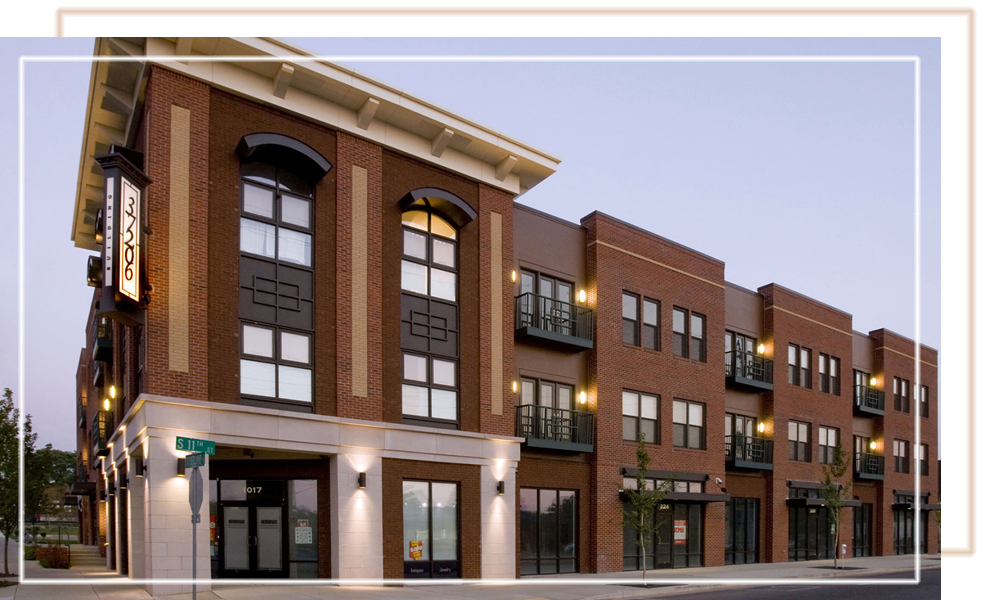
At JCREIG Capital Funding, we specialize in helping investors secure financing solutions designed for complex real estate opportunities.
Our team understands the challenges investors face when financing mixed-use properties and works to structure loans that align with each investor’s strategy.
Whether you’re acquiring a new mixed-use property or refinancing an existing one, we help provide the capital needed to move your deal forward.
Ready to Finance Your Next Mixed-Use Investment?
Mixed-use properties offer diversified income, long-term appreciation potential, and strong demand in growing markets—but the right financing is key to unlocking those opportunities.
If you’re considering a mixed-use investment, our team at JCREIG Capital Funding is ready to help.
👉 Explore our Mixed Use Multi-Unit Loan Program here:
https://jcreigcapitalfunding.com/mixed-use-multi-unit-loans/📞 Speak with our lending team today to discuss your project and get a customized financing solution.
Your next real estate opportunity could be amixed-use property that generates multiple streams of income.
FAQs
A mixed-use property is a building that combines both residential and commercial spaces. For example, apartments above retail stores or office spaces within a residential building.
A property is typically considered mixed-use when it contains both residential units and commercial space within the same structure. Lenders often require that a portion of the property remain residential, though exact requirements may vary by loan program.
Mixed-use properties are popular among real estate investors, developers, and portfolio owners who want to generate multiple streams of rental income from a single property.
Yes. Mixed-use loans are structured differently because the property includes both commercial and residential income sources. Lenders evaluate factors such as:
Rental income from both uses
Tenant mix
Property value
Percentage of commercial space
streams of rental income from a single property.
Yes. Many investors refinance mixed-use properties to:
Access equity through cash-out refinancing
Improve loan terms
Lower interest rates
Fund renovations or new investments
Mixed-use properties offer several advantages, including:
Multiple income streams from residential and commercial tenants
Diversified risk if one unit becomes vacant
Potential for higher property value based on income performance
Mixed-use properties can sometimes require specialized loan programs, but lenders that focus on real estate investors often offer financing options specifically designed for these property types.
Lenders commonly review:
Property income and rent rolls
Occupancy rates
Loan-to-value ratio
Property location
Investor experience
Yes. Mixed-use buildings often include long-term residential tenants and commercial leases, creating a diversified income structure.
Many cities encourage mixed-use developments because they create walkable communities where residents can live, work, and shop in the same area, which increases demand for these properties.