


If you’re a real estate investor—especially a fix-and-flip or value-add investor—the After Repair Value (ARV) is one of the most important numbers you’ll ever calculate. ARV determines how much a property will be worth after renovations are complete, and it directly impacts deal viability, loan amounts, profit margins, and exit strategy.
In this guide, we’ll break down:
What ARV is
The ARV formula
How to calculate ARV step by step
Common ARV mistakes investors make
How lenders use ARV when approving loans
What Is After Repair Value (ARV)?
After Repair Value (ARV) is the estimated market value of a property after all planned renovations and improvements are completed.
Unlike current market value, ARV reflects:
Upgraded condition
Improved layout or functionality
Market-driven finishes and features
ARV is most commonly used in:
Fix-and-flip projects
BRRRR (Buy, Rehab, Rent, Refinance, Repeat) strategies
Hard money and asset-based lending
Why ARV Matters in Real Estate Investing
ARV plays a critical role in nearly every part of an investment deal:
🔹 Determines Maximum Purchase Price
Investors use ARV to avoid overpaying for distressed or outdated properties.
🔹 Impacts Loan Amounts
Most hard money lenders base loan amounts on a percentage of ARV—often 65% to 75%.
🔹 Guides Rehab Budgets
Understanding ARV helps investors decide how much to spend on renovations without over-improving.
🔹 Drives Profit Projections
ARV sets the ceiling for resale value, rental refinance, or exit strategy.
The ARV Formula Explained
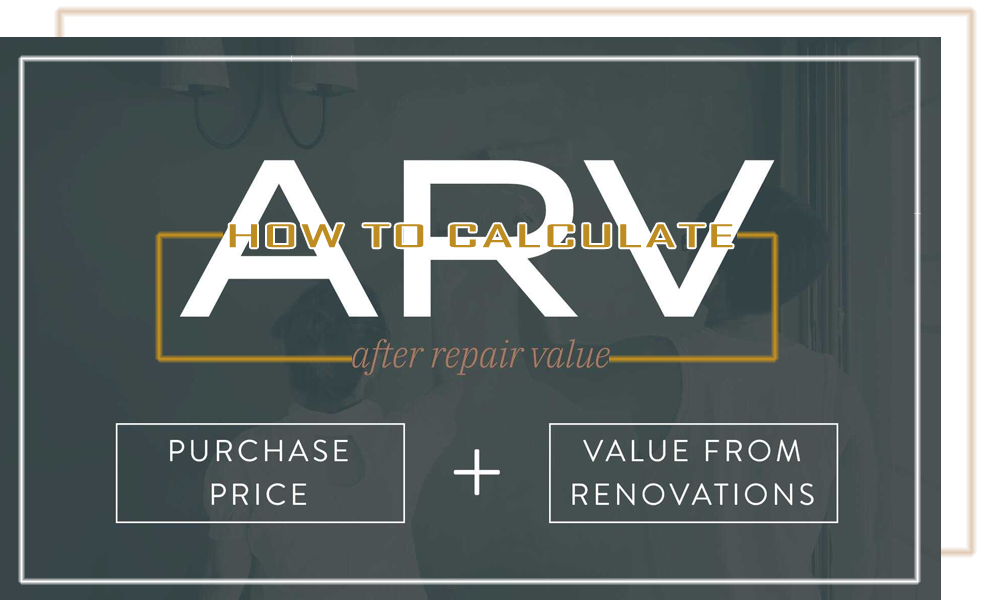
At its core, the ARV formula is simple:
ARV = Value of Comparable Properties After Renovation
However, investors usually work backward using ARV to determine how much they can spend.
Common Investor ARV Formula (70% Rule)
Maximum Purchase Price = (ARV × 70%) – Estimated Repair Costs
This rule helps protect investors from unexpected costs, holding expenses, and market fluctuations.
How to Calculate ARV Step by Step
Step 1: Find Comparable Sales (Comps)
Look for recently sold properties that are:
Within 0.5–1 mile
Sold in the last 3–6 months
Similar in size, layout, and style
Fully renovated
These comps represent what your property could sell for after repairs.
Step 2: Adjust for Differences
Adjust comp values for:
Square footage
Bedrooms and bathrooms
Lot size
Garage or parking
Location nuances
This creates a realistic ARV estimate rather than an inflated guess.
Step 3: Estimate Repair Costs Accurately
Your rehab budget should include:
Structural and mechanical work
Cosmetic upgrades
Permits and inspections
Contingency (typically 10–15%)
Underestimating repairs is one of the biggest ARV calculation mistakes.
Need ARV-Based Financing?
If you’re evaluating a deal and want funding based on **future value—not just current condition—**working with an experienced asset-based lender can make all the difference.
Step 4: Apply the ARV Formula
Example:
Estimated ARV: $350,000
Repair Costs: $50,000
Using the 70% rule:
($350,000 × 0.70) – $50,000 = $195,000
👉 Maximum recommended purchase price: $195,000
How Lenders Use ARV
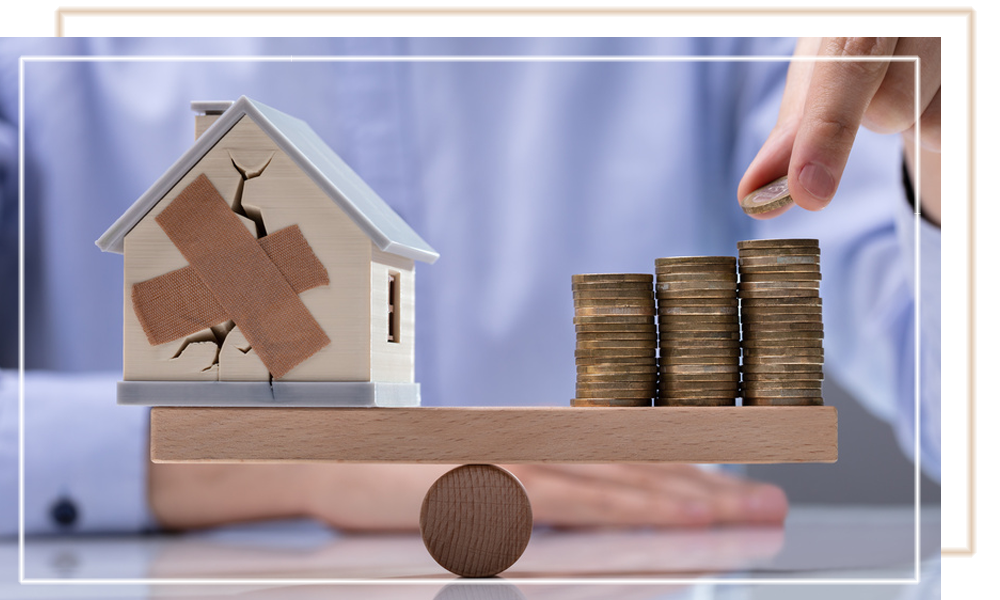
Hard money and private lenders rely heavily on ARV when underwriting loans.
Typical ARV-based loan structures:
Up to 70–75% of ARV
Rehab funds released in draws
Short-term financing (6–24 months)
For example:
ARV: $400,000
Loan at 70% ARV = $280,000 total loan amount
This may include both purchase price and renovation costs.
Common ARV Mistakes Investors Make
❌ Using Active Listings Instead of Sold Comps
Listings reflect asking prices—not market reality.
❌ Over-Improving the Property
Luxury finishes don’t always translate to higher ARV in entry-level neighborhoods.
❌ Ignoring Market Shifts
Rising interest rates or slowing demand can impact resale values.
❌ Being Overly Optimistic
Conservative ARV estimates protect your profit and your lender relationship.
ARV vs Market Value: What’s the Difference?
| Term | Definition |
|---|---|
| Market Value | What the property is worth today in its current condition |
| ARV | What the property will be worth after renovations |
Investors and lenders focus on ARV, not current condition, when funding value-add deals.
Things to Keep in Mind When Using ARV as a Real Estate Investor
After Repair Value (ARV) is a powerful tool—but only when it’s used realistically and conservatively. Overestimating ARV is one of the fastest ways for investors to lose money or see a deal fall apart at the lending stage. Keep the following considerations in mind when evaluating any ARV-based deal.
1. ARV Is an Estimate, Not a Guarantee
ARV is based on comparable sales and market conditions at a specific point in time. Shifts in interest rates, buyer demand, or local inventory can all impact final resale value. Smart investors leave margin for market movement rather than banking on best-case scenarios.
2. Use Sold Comps, Not Active Listings
Active listings reflect what sellers hope to get—not what buyers are actually paying. Always rely on:
Recently sold properties
Similar size, layout, and condition
Close proximity to the subject property
Lenders will underwrite based on sold comps, so your ARV should align with theirs.
3. Don’t Over-Improve for the Neighborhood
Renovations should match the expectations of the local market. High-end finishes in an entry-level neighborhood rarely increase ARV enough to justify the added cost. Focus on improvements that buyers value most:
Kitchens and bathrooms
Flooring and paint
Roof, HVAC, and major systems
4. Be Conservative With Repair Costs
Underestimating rehab expenses can destroy profitability even if the ARV is accurate. Always include:
Permits and inspections
Unexpected structural or mechanical issues
A contingency buffer (typically 10–15%)
Your ARV is only as strong as the accuracy of your repair budget.
5. Understand How Lenders View ARV
Hard money and private lenders typically cap loans at 65–75% of ARV. Even if your numbers work on paper, lenders may use:
More conservative comps
Lower valuation assumptions
Independent appraisals or BPOs
Build your deal so it works even if the lender’s ARV comes in lower than yours.
6. Factor in Holding and Exit Costs
ARV doesn’t account for:
Interest payments
Taxes and insurance
Utilities and maintenance
Realtor commissions and closing costs
These costs directly impact net profit and should be accounted for separately when analyzing deals.
7. Avoid Emotional or “Stretch” ARVs
Deals don’t become good because you want them to work. Inflating ARV to justify a purchase price is a common investor mistake—especially in competitive markets. If the ARV needs to be “perfect” for the deal to work, it’s probably too risky.
8. Recheck ARV Before You Exit
Before listing or refinancing, revisit your ARV using the most recent comps. Markets change, and staying current helps you:
Price the property correctly
Avoid extended days on market
Adjust strategy if conditions soften
Final Thoughts: Why ARV Accuracy Is Critical
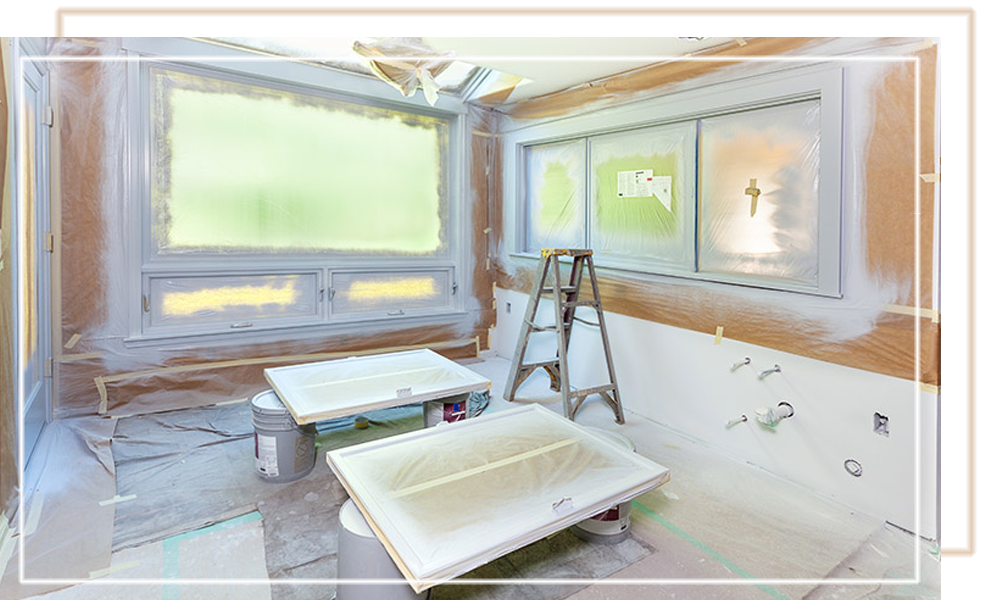
ARV is the foundation of smart real estate investing. When calculated correctly, it:
Protects your downside
Improves loan approval odds
Increases profitability
Builds long-term lender trust
Whether you’re flipping your first property or scaling a portfolio, mastering the After Repair Value formula is non-negotiable.
ARV should be used as a risk-management tool, not a sales pitch to yourself or your lender. Conservative assumptions, realistic comps, and disciplined budgeting are what turn ARV from a guess into a reliable investment metric.
Fund Your Deal Based on ARV — Not Just Today’s Condition
👉 Have a deal you’re analyzing?
At JCREIG Capital Funding, we understand that smart real estate investing is about future value. That’s why our asset-based lending solutions are structured around After Repair Value (ARV)—giving investors the leverage they need to acquire, renovate, and scale with confidence.
Whether you’re flipping, rehabbing, or executing a value-add strategy, we focus on:
Realistic ARV-based underwriting
Fast, flexible approvals
Funding for purchase and rehab
Investor-first loan structures
If you have a solid deal and a clear plan, we’ll help you move forward—without letting credit or property condition slow you down.
👉 Submit a deal for review.
or reach out to us @ 561-303-0334 if you require funding or have any questions.



 Formula in Real Estate?)