


One of the biggest challenges real estate investors face isn’t finding great deals—it’s finding enough capital to close them.
Whether you’re flipping homes, building a rental portfolio, or using the BRRRR strategy, tying up too much cash in one project limits how quickly you can scale.
That’s why experienced investors leverage high-LTC financing.
At JCREIG Capital Funding, qualified investors can obtain up to 90% Loan-to-Cost (LTC) and 100% financing for eligible renovation costs, allowing them to preserve capital while maximizing investment opportunities. Our Fix & Flip financing is designed to provide fast closings, interest-only payments, and funding tailored to investment properties.
What Does 90% LTC Mean?
Loan-to-Cost (LTC) measures the percentage of your total project cost that a lender finances.
Example
Purchase Price: $200,000
Rehab Budget: $50,000
Total Project Cost:
$250,000
With 90% LTC, the lender finances:
$225,000
Your required investment:
$25,000 (plus applicable closing costs)
Instead of using most of your available capital on a single project, you retain liquidity for future acquisitions.
What Does 100% Rehab Financing Mean?
Many investors underestimate renovation expenses.
Unexpected costs often include:
- Roofing
- HVAC replacement
- Plumbing
- Electrical upgrades
- Kitchens
- Bathrooms
- Flooring
- Landscaping
- Permit costs
With 100% rehab financing, eligible renovation funds are advanced through construction draws as work progresses, reducing the need to fund repairs entirely out of pocket. The structure and availability of draws depend on the approved scope of work and lender guidelines.
Why Investors Love High-Leverage Financing
1. Preserve Cash
Instead of putting $80,000–$100,000 into one project, you may only need a fraction of that.
More available cash means:
- More acquisitions
- Better reserves
- Less financial stress
- Ability to diversify
2. Scale Your Business Faster
Many successful investors don’t own one property.
They own dozens.
That growth happens by recycling capital instead of locking it into one investment.
With higher leverage financing, you may be able to purchase multiple investment properties simultaneously.
3. Close Faster
Traditional banks often require:
- Extensive income documentation
- Tax returns
- Lengthy underwriting
- Multiple committee approvals
Private lending is designed for investment properties and typically offers much faster underwriting and closing timelines than conventional financing. JCREIG Capital Funding’s Fix & Flip programs are built to help investors move quickly when opportunities arise.
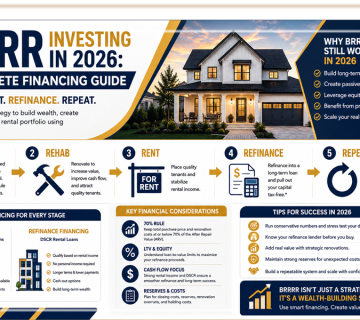
Perfect for the BRRRR Strategy
High-LTC financing is an ideal solution for investors using the:
BRRRR Method
- Buy
- Rehab
- Rent
- Refinance
- Repeat
By financing both acquisition and renovation, investors can improve a property’s value before refinancing into a long-term rental loan, freeing capital for the next project.
👉 Read our article:
“The BRRRR Strategy: How Investors Build Wealth With Other People’s Money.“

Who Qualifies?
Every loan is unique, but lenders generally evaluate:
- Investment experience
- Property type
- Exit strategy
- Credit profile
- Liquidity
- Property value
- Renovation scope
- After Repair Value (ARV)
Unlike traditional residential mortgages, many private lenders focus heavily on the investment property’s potential and the strength of the deal itself.
Properties That Can Be Financed
Depending on program guidelines, financing may be available for:
- Single-Family Homes
- Duplexes
- Triplexes
- Fourplexes
- Townhomes
- Condominiums
- Small Multifamily
- Mixed-Use Properties
Why Choose JCREIG Capital Funding?
Our goal is simple:
Help investors close more deals.
Benefits may include:
- Up to 90% LTC
- 100% Rehab Financing
- Fast approvals
- Competitive investor loan programs
- Interest-only payment options
- Flexible underwriting
- Nationwide lending
- Experienced support from application to payoff
Whether you’re purchasing your first investment property or managing multiple projects, we work to provide financing that aligns with your investment strategy.
Frequently Asked Questions
Can first-time investors qualify?
Yes. Some programs are available to newer investors, although experience, credit, liquidity, and the specific deal all influence eligibility.
Do I need income verification?
Many investment property loan programs emphasize the property’s value and exit strategy over traditional income documentation, though requirements vary by loan program.
How quickly can I close?
Many private lending transactions close significantly faster than conventional mortgages, provided all required documentation is received promptly.
Can I refinance after renovations?
Yes. Many investors refinance into long-term rental financing after the property is stabilized as part of a BRRRR strategy.
Ready to Finance Your Next Investment Property?
Whether you’re purchasing your first fix & flip, growing a rental portfolio, or scaling a real estate investment business, access to the right financing can make all the difference.
Apply with JCREIG Capital Funding Today
Don’t let limited cash prevent you from closing your next opportunity.
Our team can help you:
- Get pre-qualified quickly
- Analyze your investment deal
- Finance up to 90% of total project costs
- Access 100% eligible rehab financing
- Close quickly so you can stay competitive
Take the Next Step
✅ Request a free loan scenario review
✅ Speak directly with an investment loan specialist
✅ Discover the best financing strategy for your next projectGet Started Today
📞 Call: (561) 303-0334
🌐 Visit: www.jcreigcapitalfunding.com🚀 Get Started Today and Build Your Real Estate Portfolio with Confidence.
FAQs
Loan-to-Cost (LTC) is the percentage of a project’s total cost that a lender is willing to finance. Total project cost typically includes the purchase price plus eligible renovation costs. For example, if a project costs $300,000 and the lender offers 90% LTC, they may finance up to $270,000, subject to underwriting and program guidelines.
LTC (Loan-to-Cost) is based on the total cost of acquiring and renovating the property.
LTV (Loan-to-Value) is based on the property’s current appraised value.
Some lenders also consider After Repair Value (ARV) when determining the maximum loan amount.
ARV is the estimated market value of a property after all planned renovations have been completed. Lenders use ARV to evaluate the property’s potential value and help determine financing eligibility and loan structure.
Yes. Many Fix & Flip loan programs allow qualified borrowers to finance a significant portion of the purchase price along with eligible renovation costs. Rehab funds are typically disbursed through construction draws as work is completed.
Not always. Some loan programs are available to first-time investors, while others offer enhanced terms for experienced borrowers. Approval depends on factors such as credit, liquidity, the property’s condition, and the overall investment strategy.
Eligible property types often include:
- Single-family homes
- Duplexes
- Triplexes
- Fourplexes
- Townhomes
- Condominiums
- Small multifamily properties
- Certain mixed-use properties
Eligibility varies by lender and loan program.
The required down payment depends on the loan program, borrower qualifications, and the specific investment property. Programs offering up to 90% LTC generally require the borrower to contribute the remaining project costs plus applicable closing costs and reserves.
Many private money lenders can close investment loans much faster than traditional banks. Once all required documentation is received, closings may occur in a matter of days rather than weeks, depending on the complexity of the transaction.
Many investment property loan programs place greater emphasis on the property’s value and the borrower’s exit strategy than on traditional income documentation. However, documentation requirements vary depending on the specific loan product and borrower profile.
Minimum credit score requirements vary by loan program. A higher credit score may help borrowers qualify for more favorable loan terms, but lenders also evaluate experience, liquidity, property value, and the overall strength of the investment.
Yes. High-LTC financing is commonly used for the Buy, Rehab, Rent, Refinance, Repeat (BRRRR) strategy. Investors purchase and renovate the property, lease it to tenants, then refinance into a long-term rental loan before using their available capital on another investment.
Prepayment terms vary by lender and loan program. Some investment loans include prepayment penalties or minimum interest requirements, while others offer greater flexibility. Review your loan documents carefully before closing.
Yes. Many experienced real estate investors finance multiple projects simultaneously. Your ability to do so depends on available liquidity, investment experience, project performance, and lender guidelines.
While requirements vary, you may be asked to provide:
- Purchase contract
- Scope of work
- Renovation budget
- Entity documents (if purchasing through an LLC)
- Bank statements or proof of liquidity
- Insurance information
- Property details
- Government-issued identification
Additional documentation may be requested during underwriting.
JCREIG Capital Funding specializes in financing real estate investors with competitive loan solutions designed to help grow investment portfolios. Depending on the program and borrower qualifications, benefits may include:
- Up to 90% Loan-to-Cost financing
- Up to 100% eligible rehab financing
- Fast approvals and closings
- Flexible underwriting
- Interest-only payment options
- Financing available in many states
- Dedicated support throughout the lending process
Whether you’re purchasing your first Fix & Flip property or expanding a growing portfolio, JCREIG Capital Funding can help you explore financing options that fit your investment goals.
Contact us today for a free loan consultation.
- 📞 Phone: (561) 303-0334
- 🌐 Website: https://jcreigcapitalfunding.com
- 💬 Request a Loan Quote: https://jcreigcapitalfunding.com/get-a-quote/
These FAQs are optimized for search terms such as “What is 90% LTC?”, “How does rehab financing work?”, “What is ARV in real estate?”, and “Can first-time investors get Fix & Flip loans?”, helping your page target long-tail search traffic while answering the questions potential borrowers ask most often.